
Clean Drain Dry (CDD)
is a public awareness campaign aimed at preventing the introduction and spread of aquatic invasive species.
It is a call-to-action encouraging the users of New Brunswick’s lakes, rivers, and coastlines to CLEAN, DRAIN, and DRY their boats, trailers, and other recreational equipment to stop ‘aquatic hitchhikers’.

Check out our new video
“Protecting Our Aquatic Playground!”
Find our new video about Clean Drain Dry on our YouTube! This video talks about how important it is to protect the aquatic ecosystems that we all love from the threat of invasive species.
Be sure to inspect watercrafts before transferring to new waterbodies, and give your equipment a good Clean, Drain, Dry to ensure no aquatic hitchhikers are hiding on your gear!
We sincerely thank our funders, the Habitat Stewardship Program, the Environmental Trust Fund and the Wildlife Trust Fund, for their support and commitment to protecting our native environment.

The CDD Steps

Clean
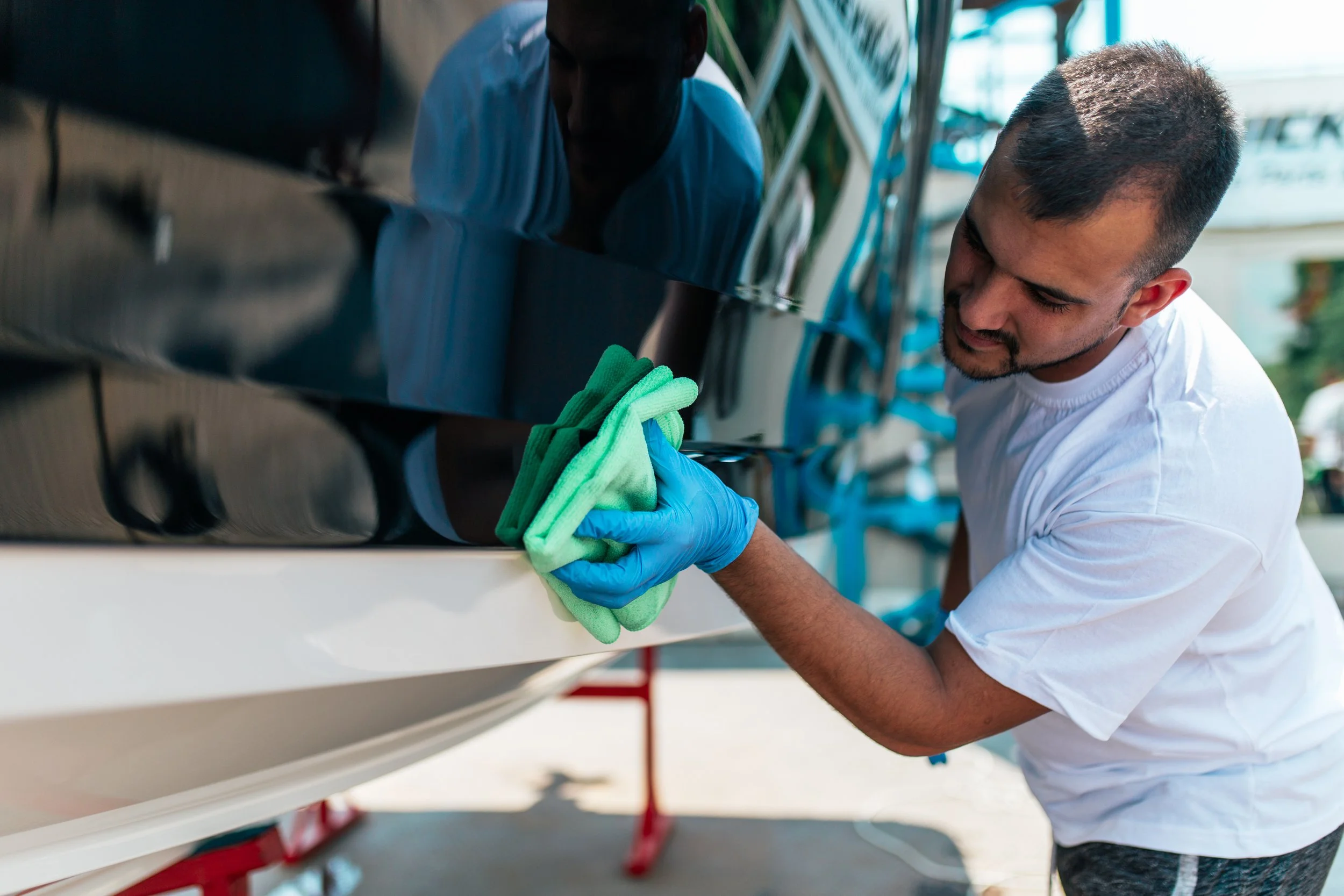
Do a visual inspection of your watercraft and gear to make sure all visible debris like plant matter or mud is removed, paying special attention to areas like motors where plant material is likely to collect.
Wash all vehicles and equipment with hot water (45°C) when possible.
Ensure that anything you remove is disposed of onto land, and water from rinsing does not flow into natural waterbodies.
Drain
This includes all internal compartments on your watercraft and equipment like ballast tanks, live wells, bilges, bait buckets, motors, coolers, buckets, ropes etc.
Flip and drain non-motorized watercraft.
Pull all plugs - it is illegal to transport plugged watercraft in some provinces and US states.

Dry
Completely dry all surfaces, make sure no water is left standing. Equipment should be fully dry to the touch before moving to a new water body.
Towel drying is much more effective than air drying.
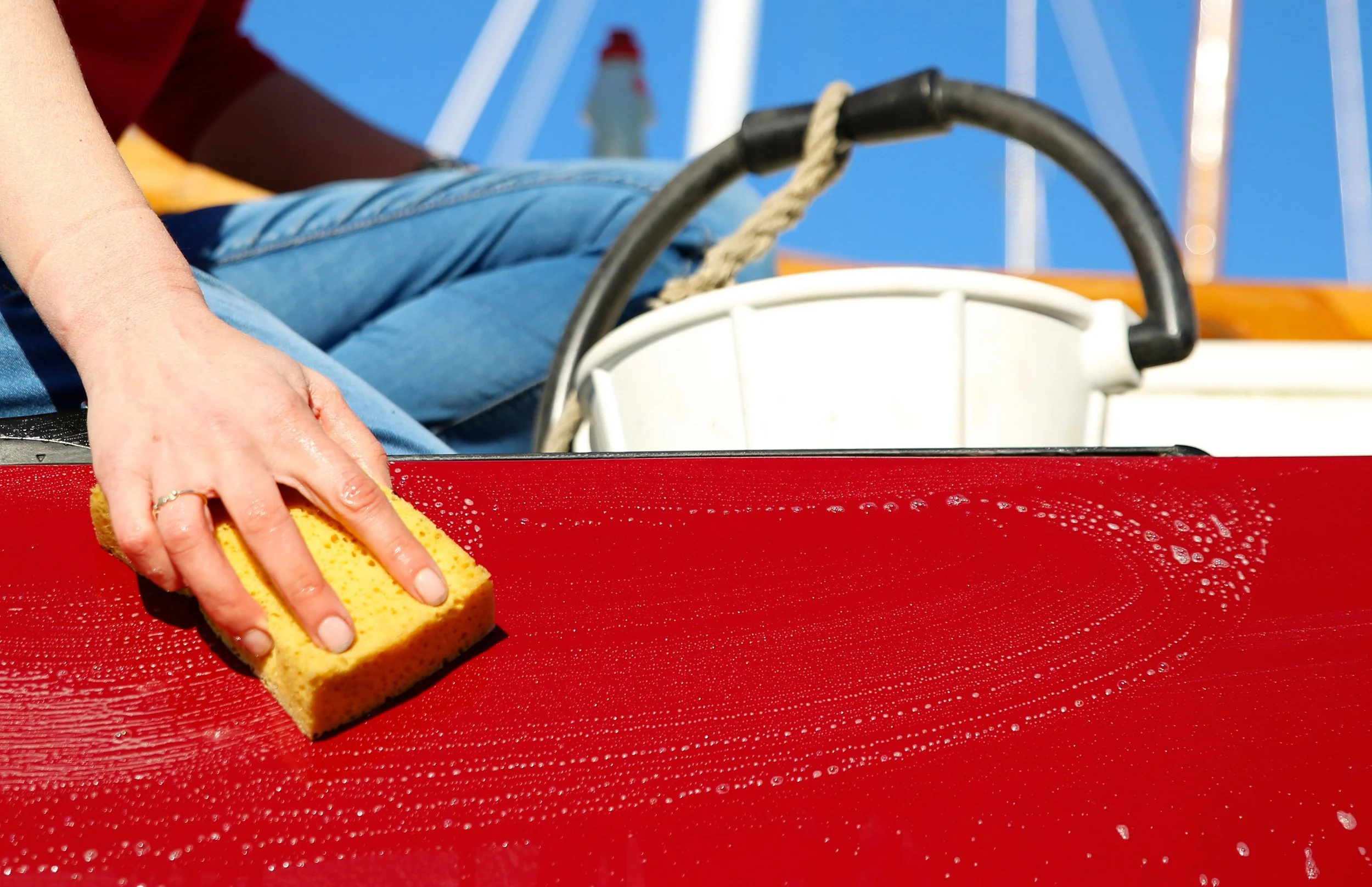
Use a sponge or towel for hard to dry areas, as air drying may never sufficiently dry these areas.
If air-drying, equipment should be left out of water for a full 30 days before being put in a new waterbody.
Zebra mussels have been known to survive up to 30 days out of water, depending on temperature and humidity.
How This Helps
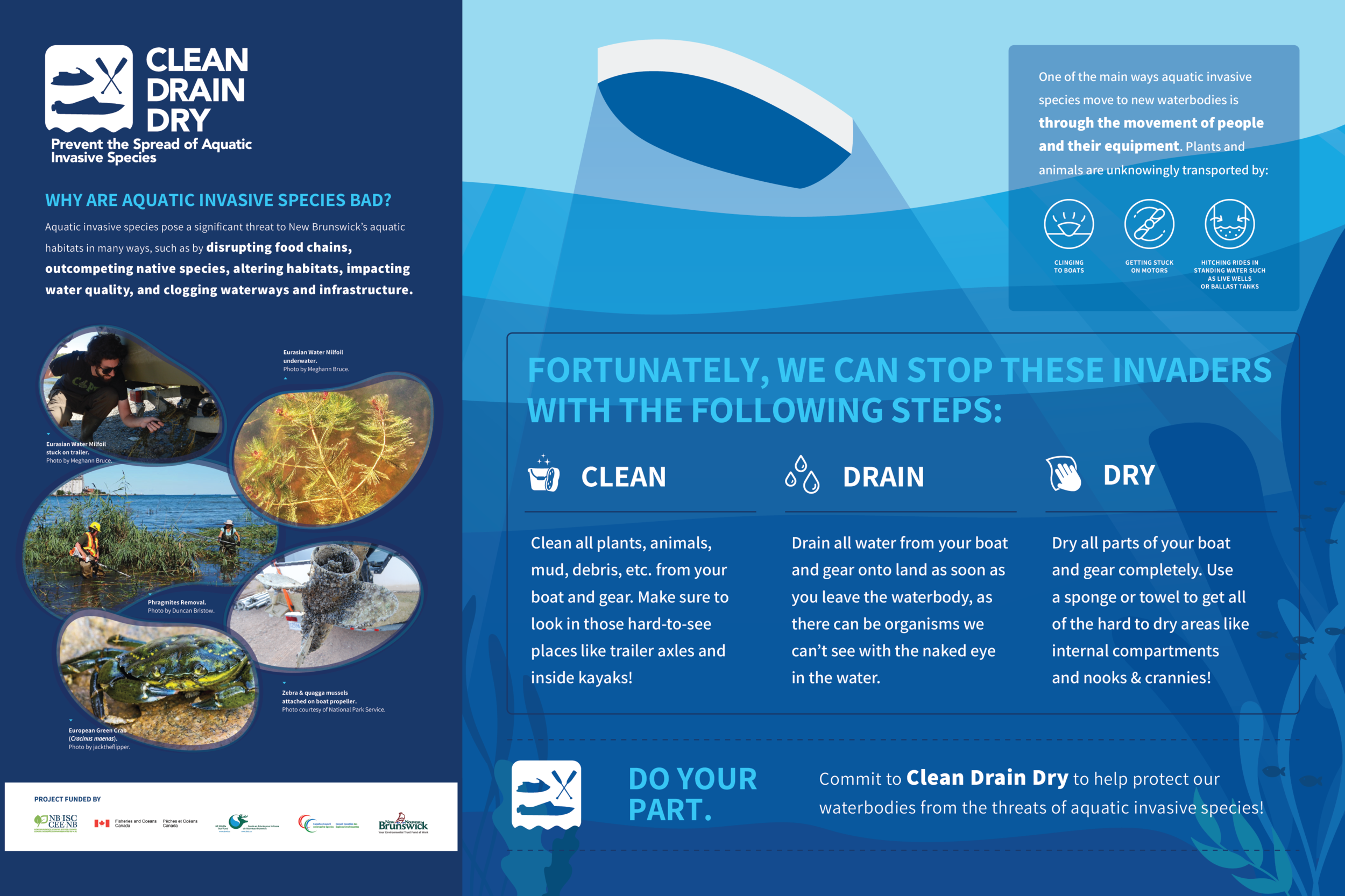
Getting rid of, or even just controlling, an invasive species once it has arrived is very difficult. That is why preventing the spread of the species in the first place is essential.
The key to doing this is identifying the ‘pathways of invasion’- the ways in which they spread- and putting a stop to them.
For aquatic invasive species, a major uncontrolled pathway is through the movement of users and their equipment between waterbodies: plants and animals are unknowingly transported with them by clinging to watercraft, getting stuck on motors, and hitching a ride in standing water such as live wells or ballast tanks. Fortunately, users can do their part to block this pathway by cleaning off all organic matter, draining any standing water, and drying the watercraft or equipment completely before entering a new body of water.
Program Activities
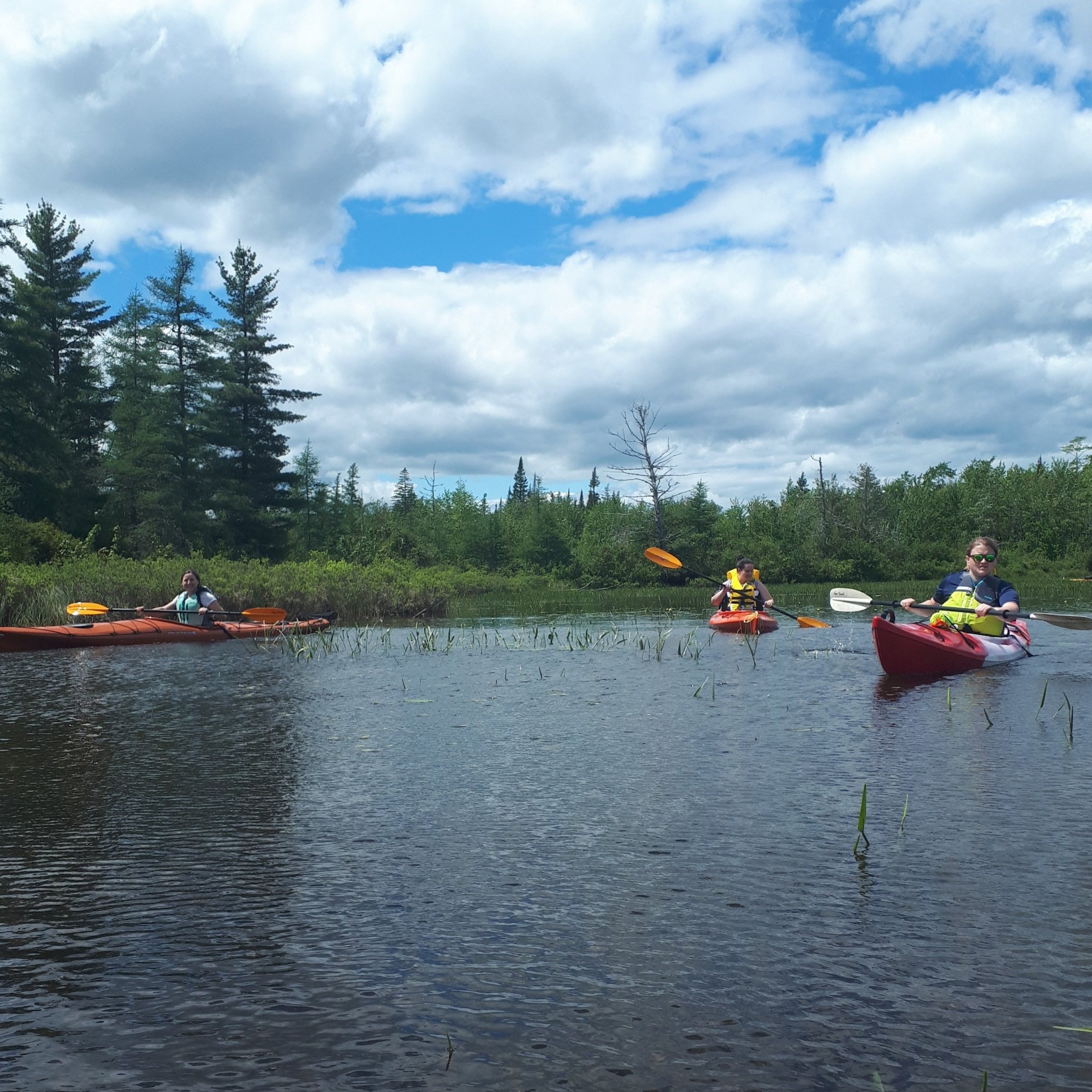
Through the CLEAN DRAIN DRY program, we work with a variety of stakeholders including government, watershed organizations, researchers, and user-groups like boaters, anglers, and paddlers to raise awareness about different aquatic invasive species and how to prevent spreading them.
Check out our CDD activities below and contact us if you would like to get involved!
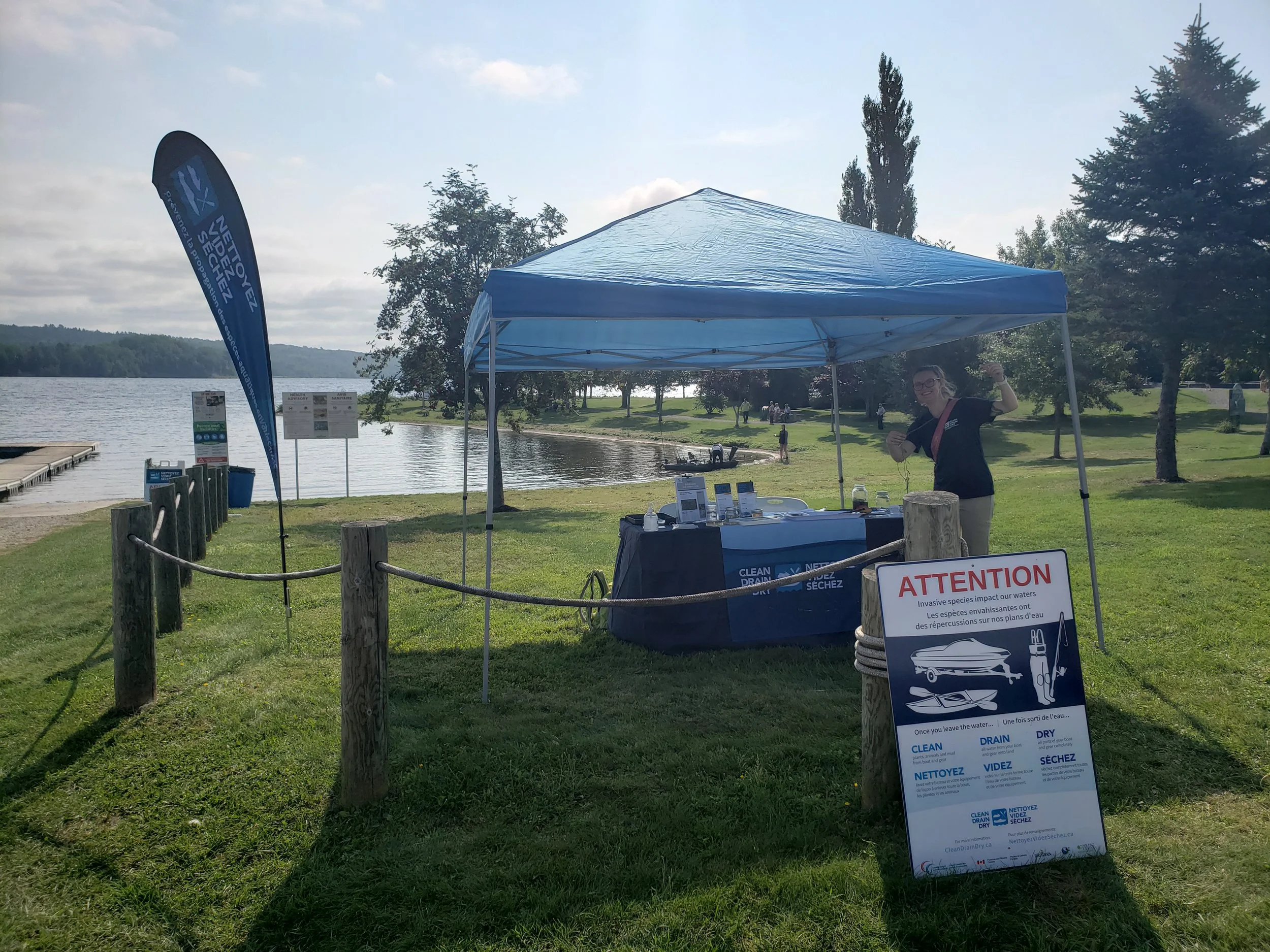
Information Booths
We facilitate information booths at boat launches and events such as fishing tournaments.

Species ID Workshops
We facilitate workshops to educate the public on Identifying Invasive Species.

CDD
Signage
We supply signage to raise awareness of invasive species and remind boaters to CLEAN DRAIN DRY.

Partnership
Activities
Together with our partners, we conduct joint outreach and management activities.
Example Species
-

Eurasian Water Milfoil
-

European Green Crab
-

Asian Carps
-

Zebra/Quagga Mussels
-

Invasive Gamefish
Resources
Check out some of our free helpful resources



Take the Pledge
Ready to do your part to stop aquatic hitchhikers?
Take the pledge to CLEAN, DRAIN, and DRY to help us prevent the spread of aquatic invasive species! Visit cleandraindry.ca for more information.