
What are Invasive Species?
An invasive species is an organism (plant, animal, insect, or fungus) introduced from another region that spreads rapidly, crowding out native species and damaging local environments.
In New Brunswick, invasive species threaten biodiversity, reduce crop yields, impair water recreation, and alter forest health. Because invasive species recognize no municipal boundaries, protecting our waterways and wild spaces requires action from every community member.

To be considered invasive, a species must be:
Non-native to New Brunswick
Able to spread or reproduce rapidly
Harmful to the environment, humans, or society
Not all introduced species are considered invasive, and neither are all harmful species. It is the combination of these qualities, along with the ability to multiply and spread rapidly, that earns invasive species this undesirable title.


There is no ‘one size fits all’ for invasive species
they occur in both aquatic and terrestrial environments and include:
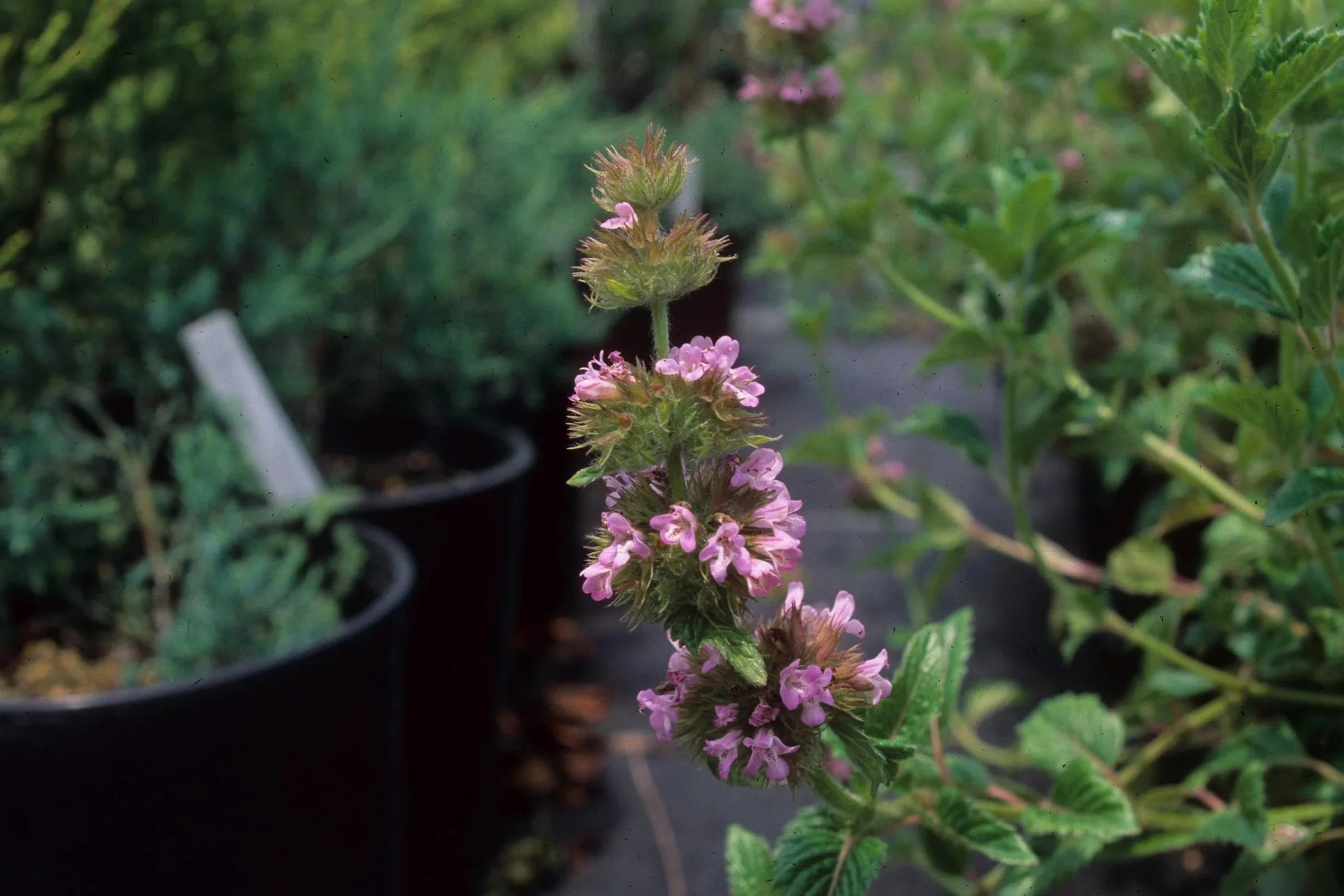
Plants
Insects
Fish
Mammals & Birds
Aquatic Invertebrates
Fungi
Disease-causing organisms, including some bacteria and viruses
Understanding the threat to New Brunswick
Invasive species can outcompete native species, reduce biodiversity, alter ecosystems, damage infrastructure, and impact agriculture, forestry, recreation, and human health.
In Canada, invasive species are estimated to cost billions of dollars each year, making prevention one of the most effective and cost-efficient management strategies.

Learn about invasive species in New Brunswick
Explore our Invasive Species Profiles to learn about species of concern in New Brunswick, including identification, impacts, pathways of spread, and management recommendations.

From awareness to action: Why reporting matters
Learning to spot invasive species is the first step in stopping them. When community members report suspect species through our reporting tools, those observations feed directly into tracking systems and conservation databases.
Reports provide researchers, provincial biologists, and federal agencies with early warnings, allowing authorities to take action before new populations establish.
While NBISC does not perform physical species removals or field eradication, we act as an educational resource and early-detection hub, helping local communities identify, report, and prevent the spread of invasive plants, insects, and aquatic life.
How You Can help
Your actions and involvement can help protect New Brunswick’s ecosystems.
Discover
Spot the risk, protect our province. Knowing how to identify invasive species and their impacts provides critical data to our government and community partners.
Take Action
Reporting sightings of invasive species in our communities helps staff and partner organizations across the province monitor and manage invasive species.
Give
Your donation helps fund invasive species education, outreach, and conservation work across New Brunswick.