Creeping Jenny
Invasive Species | Terrestrial plants

Creeping Jenny
(Lysimachia nummularia)
Creeping Jenny is a herbaceous perennial plant, originally from Eurasia. It was introduced to North America first through the plant trade as ornamental ground cover. It requires moist soil, and can tolerate semi-shaded to full sun conditions. Creeping Jenny is a popular plant for gardening and is fairly accessible through nurseries and online trade. It is an invasive threat because of its tendency to escape gardens and colonise forests and wetlands, where it disrupts ecosystems and replaces native species.
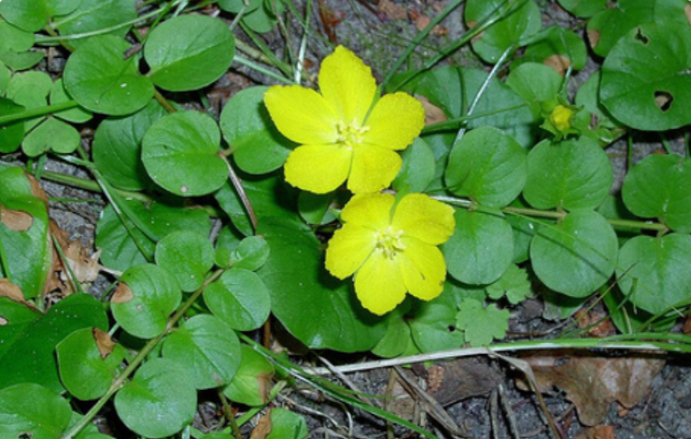
(Photo credit: Kenraiz, commons.wikimedia.org)

Impacts:
Creeping Jenny can have significant impacts on ecosystems once introduced, and when established, can be extremely hard to remove it completely. When introduced, it spreads rapidly, often outcompeting similar native herbaceous ground cover as it competes for habitat. It can also devastate sensitive wetlands, as thrives in wet conditions. Creeping Jenny can form dense mats that cover and suffocate native plant species. It can disrupt waterflow when growing in and around rivers, and plant fragments can flow downstream to create new colonies.
Identification:
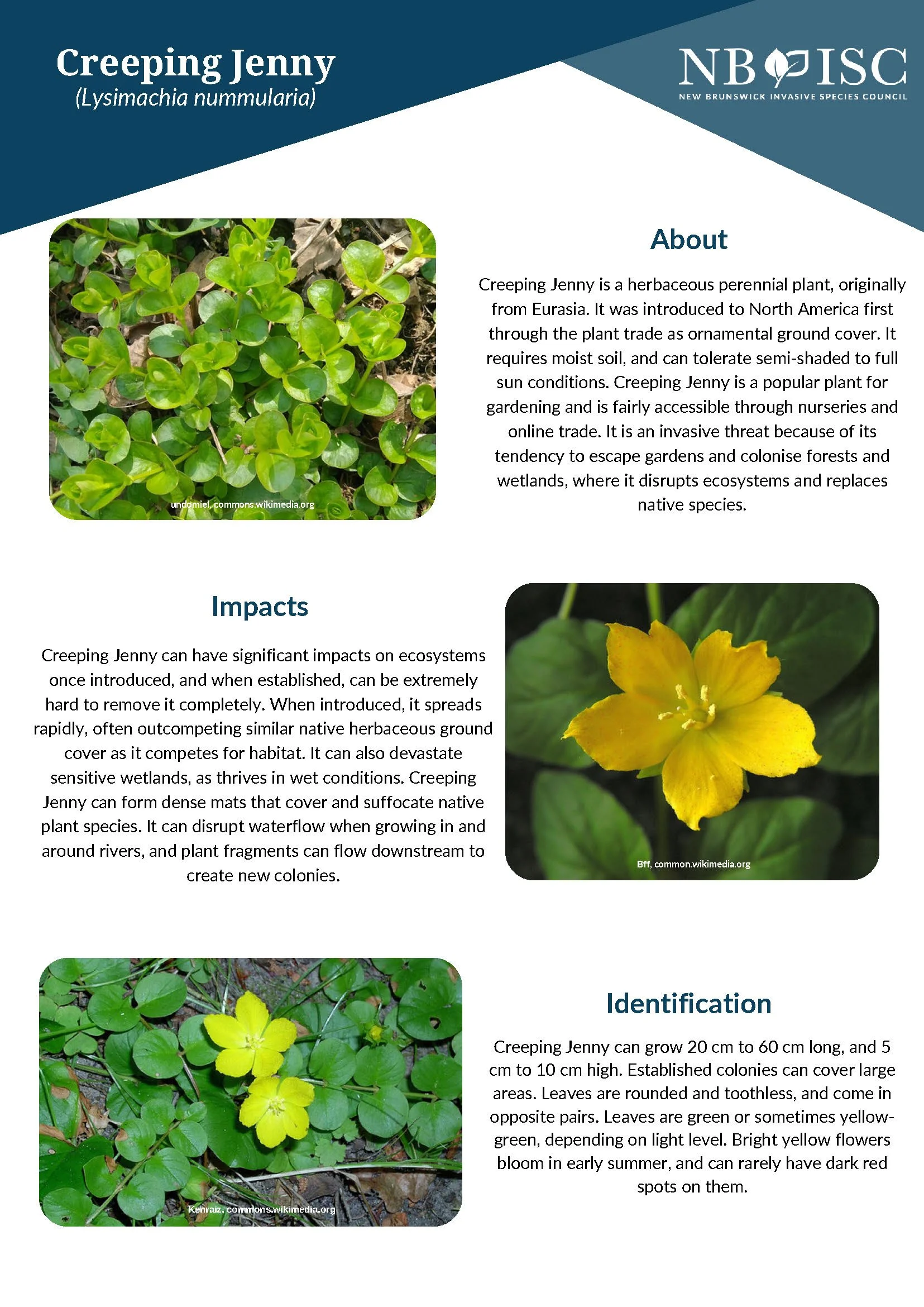
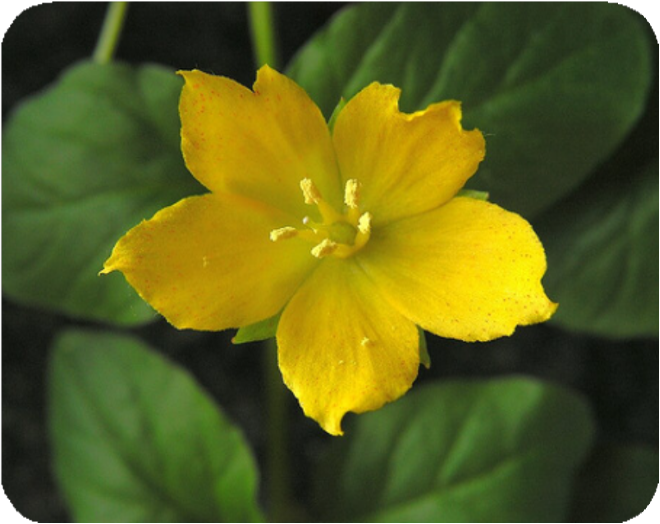
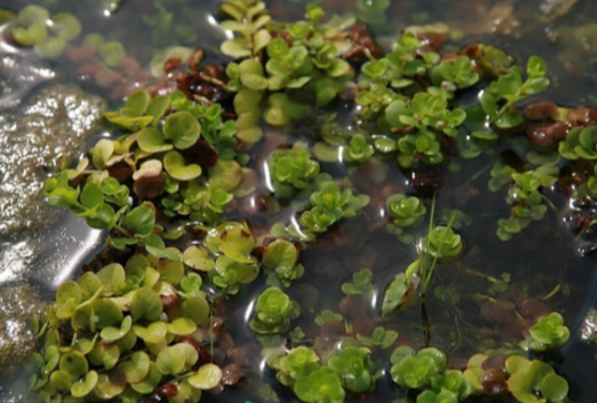
Creeping Jenny can grow 20 cm to 60 cm long, and 5 cm to 10 cm high. Established colonies can cover large areas. Leaves are rounded and toothless, and come in opposite pairs. Leaves are green or sometimes yellow-green, depending on light level. Bright yellow flowers bloom in early summer, and can rarely have dark red spots on them.
Prevention:
Creeping Jenny is typically introduced to new environments through gardening practices. It can spread further through natural vegetative growth, and by movement of water. To prevent the spread of this species, consider native alternatives to common invasive species when gardening. Also, dispose of plant material and soil properly to reduce risk of spread outside your property.
The best way to stop the spread of invasive Creeping Jenny is to follow Plant Wise guidelines.
HOW TO BE PLANT WISE:
Select native or non-invasive plants and seed mixes for your garden
Purchase locally grown plants and seed mixes that are properly labelled
Inspect purchased or transplanted plants, soil, and compost for “hitchhikers” like insects, worms, and egg masses
Dispose of invasive plants, seeds, and yard waste responsibly (i.e. bag and landfill)
Learn how to remove and dispose of invasive plants in your garden using species-appropriate methods (ex: hand pulling, digging, tarping)
Encourage local nurseries and gardening clubs to promote and sell more native plants and to include scientific names on labels
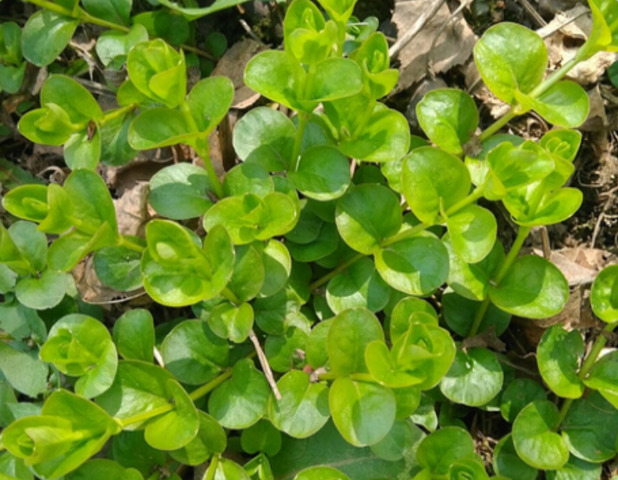
undomiel, commons.wikimedia.org
David J. Stang, commons.wikimedia.org
Bff, common.wikimedia.org